
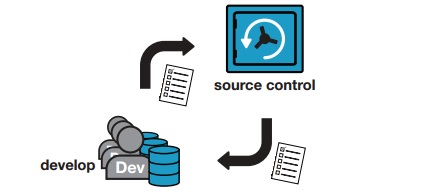
In a previous post we’ve seen how to share the SQL Prompt snippet folder to the development team. We’ve used dropbox for sharing and powershell to copy files between the default directory and the new place (changing also the related registry keys). In this post we’ll focus on how to share all the Red-Gate development tools using Team Foundation Server or Team Foundation Service for team sharing (TFService and TFS Express are two free solution).
The requirements are:
– at least a folder, that will be shared to all team members
– the tools must support the customization of the configuration folders
– a script (powershell in the following samples) that can change the configuration folders
Keep in mind that we’re talking about third party tools, plugged in to SQL Server Management Studio. We will speak about:
- SQL Prompt snippets (we will change snippet folder)
- SQL Compare filter and project files (we will change filter and project file startup folder, .scp and .scpf files)
- SQL Data Compare project files (we will change project file startup folder, .sdc files)
We’ll use Team Foundation Service as a Source Control Manager Continue reading “How to share redgate database tools settings with Team Foundation Service”
 Alessandro Alpi's Blog